Good health starts with good information we can all understand.
The average reading age of adults in the UK in 9 to 11 years old. The information support providers write often has a higher reading age than this.
Health literacy means having the skills, knowledge, confidence, and support to understand and use health information and services. It includes being able to read instructions, ask questions, manage health conditions, and make informed decisions about care.
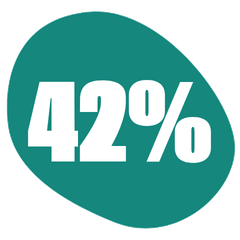
42% of adults in England stuggle to understand everyday health information.
People with low health literacy are more likely to have poor health.
Improving health literacy can improve health inequalities.
Health literacy relates to a range of communications including written, spoken and visual. We want to ensure that all information shared by support providers is clearly communicated and properly understood.
Low health literacy can lead to poorer health outcomes. People may struggle to understand health information, which can affect healthy lifestyle choices, managing long-term conditions, and using services like screenings and vaccinations. This can result in more illness, emergency hospital visits, and a higher risk of early death.
Write down questions before appointments or sessions
Ask professionals to explain things clearly and break the information down
Bring a friend or family member, if possible, for support
Use trusted sources for health information
Take time to check understanding before making health decisions
Techniques to help communicate
Teach Back
You cannot always tell if someone has understood you just by looking at them or by asking “Do you understand?” Teach-back is a simple way to check.
You ask the person to explain what you have said in their own words. For example: “I want to make sure I explained this clearly. Can you tell me what we talked about and what you need to do?”
This is not a test. It is a way to check how well the information was explained.
Show Me
“Show me” is like teach-back, but used when teaching someone how to do something.
You ask the person to show you how they will do it. This helps you check they have understood the steps correctly.
People can sometimes misunderstand instructions, which can lead to mistakes and problems with care.
Chunk & Check
People often receive too much information at once.
Break the information into small parts (chunks). After each part, stop and check they understand before moving on.
This helps prevent overload and gives people time to ask questions.
Encourage Questions
People should feel comfortable asking questions.
Good questions include:
What are the benefits?
What are the risks?
Are there other options?
What happens if I do nothing?
This helps people make better decisions about their care.
Use Simple Language
Avoid complicated words, medical terms, and acronyms.
Use clear, everyday language so people can understand easily.
Some medical words can be confusing, so it is better to explain them simply.
Use Pictures
Pictures can help explain information more clearly.
They should be used with words, not instead of them.
Pictures can also help people remember information better and encourage questions.
Medical Terminology
Medical terms can be hard for people outside healthcare to understand. For example, a long-term condition may be called “persistent” or “chronic,” but the word “chronic” is often wrongly thought to mean “severe.”
Some people also get confused by hospital signs. For example, they may not know the difference between “X-ray,” “radiology,” or “imaging,” which can make it hard to find the right place.
When writing information, readability tools can help check if the language is too complex and suggest simpler wording. One example is the NHS Medical Document Readability Tool, created by Newcastle University and NHS England.